
Introduction
Welcome to the Age of Artificial Intelligence
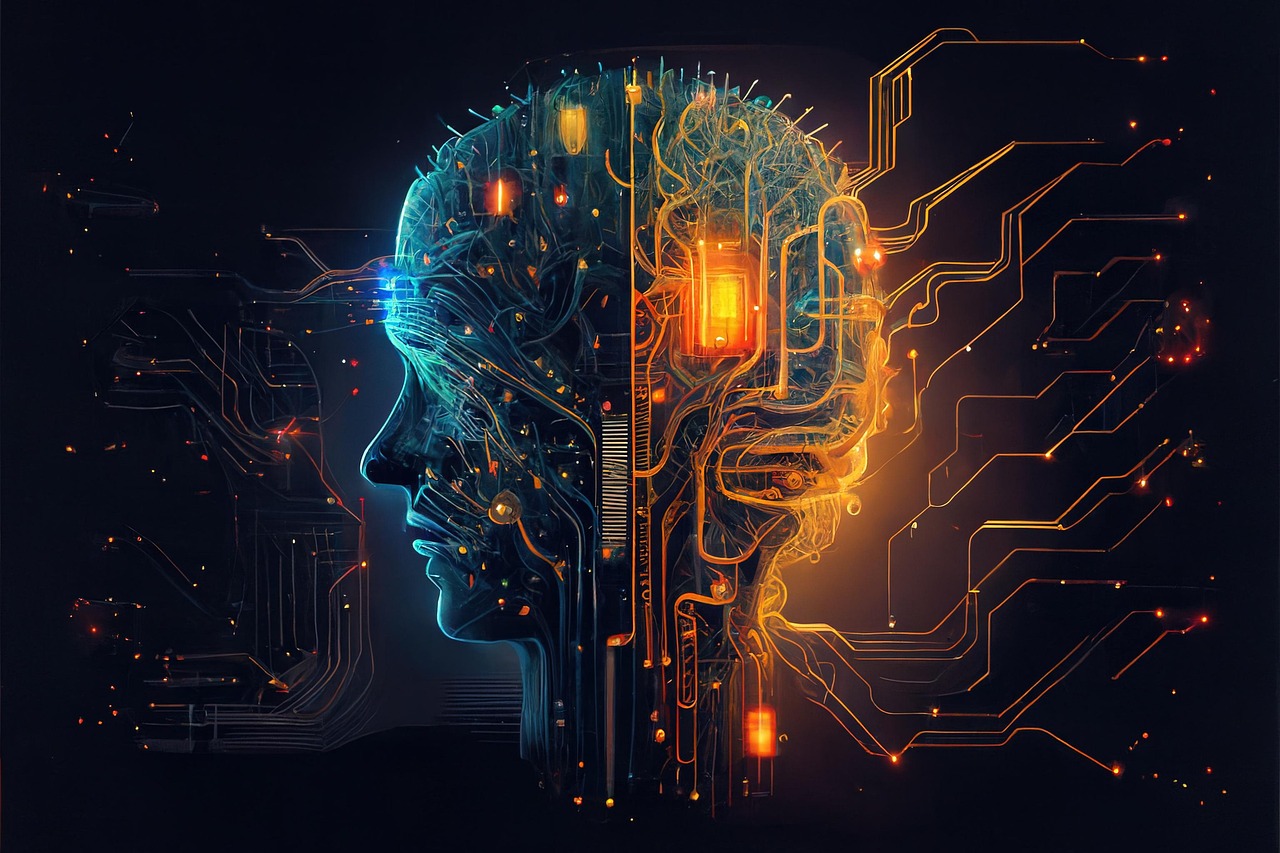
Artificial Intelligence is not something of the future; quite the contrary, it’s already here and changing the world around us.
From the voice assistant in your phone to recommendation systems on Netflix, AI quietly drives millions of decisions every day. But with AI getting more powerful and integrated into our everyday life, one key question does pop up
Is Artificial Intelligence really safe for us?
In this post, we will explore how to use AI effectively and address the safety concerns surrounding its application.
But before answering that, let’s first understand what AI really is and how deeply it has penetrated our everyday world.
AI: What is Artificial Intelligence?
Artificial Intelligence-AI-is the intelligent capability of machines or computer programs to think, learn, and make decisions like humans.
It thereby applies algorithms and large data sets to analyze information, identify patterns, and automatically solve problems. What is AI in simple terms? It’s when the computer does not simply follow instructions, but rather learns from experience and improves over time

Types of AI
- Narrow AI: designed for one particular task; good examples include Siri and Google Assistant.
- General AI: Strong AI-theoretically capable of carrying out any intellectual task that a human could.
- Super AI : A future possibility where AI outsmarts humans. At the moment, we are mostly using Narrow AI, but researchers are already working toward general intelligence — and that’s where the safety debate begins
How AI is being used in our everyday life
AI is everywhere, even in moments you might not realize. Let’s look at how it silently powers modern living.
1. Smartphones and Voice Assistants
- AI is a core technology driving tools like Google Assistant, Alexa, or Siri to understand your voice commands, answer questions, and even make calls or set reminders for you.
2. Social Media and Content Recommendation
- Whenever you scroll through Instagram or YouTube, AI algorithms are deciding which posts and videos you see.
- They learn your interests and show you more of what you like, which is why the feed feels so personalized.
3. Online Shopping and E-Commerce
- E-commerce giants such as Amazon and Flipkart rely on AI to:
- Suggest products based on your browsing history.
- Predict what you might buy next.
- Optimize delivery routes and manage inventory.
4. Healthcare
- AI is revolutionizing healthcare by:
- Detection of diseases through X-rays and MRI scans.
- Helping doctors predict patient risks.
- Supporting mental health via AI-powered therapy chatbots.
5. Transportation
- Self-driving cars and smart traffic systems depend on AI to analyze road conditions, avoid accidents, and plot the best routes.
6. Banking and Finance
Banks use AI to:
- Fraud detection
- Credit risk analysis
- Customer support chatbots
- AI helps detect unusual spending patterns faster than a human ever would.
7. Education
AI-powered tools like ChatGPT, Google Bard, and Duolingo Max assist students in learning languages, solve maths problems, and even write essays, creating personalized learning experiences.
8. Workplace and Productivity AI assistants such as Microsoft Copilot and Notion AI automate emails, create reports, and summarize meetings on behalf of professionals, saving hours of effort every day
Artificial Intelligence-A New Generation of Advantages
AI is a domain bringing incomparable opportunities and benefits to an individual and society. Let’s discuss some of the most important ones.
1. Efficiency and Accuracy
- AI systems perform repetitive tasks faster and with fewer errors than humans.
- Example: Data entry, medical diagnostics, and manufacturing automation.
2. Available 24/7
- Machines do not require sleep or breaks; thus, an AI system can work uninterruptedly, ensuring service to customers and industries round the clock.
3. Reduction in Human Error
- Unlike humans, AI doesn’t get tired or emotional.
- Because of this, it is perfect for tasks that involve precision, such as surgical robots or air traffic control systems.
4. Data analysis and decision making
- AI can promptly analyze enormous volumes of data and support companies in making wiser decisions, observing market trends, and predicting outcomes.
5. Personalization
- It’s AI that suggests your next favorite show on Netflix or curates playlists on Spotify, among many others, based on your habits and preferences.
6. Better safety in dangerous jobs
- AI robots can be sent to perform tasks in dangerous environments, such as deep mines, nuclear plants, or disaster zones, where their job may involve risk to human life.
7. Support for Disabled People
AI helps differently-abled people with voice-to-text technologies, visual recognition for the blind, and predictive typing.

Disadvantages of Artificial Intelligence
- Every technology has two sides. While AI brings many benefits, it also comes with serious risks and challenges that cannot be ignored.
1. Loss of Jobs
- AI can automate tasks faster than humans, leading to job loss in sectors as varied as manufacturing, customer service, and even IT support.
- Various studies estimate that millions of jobs could change or disappear over the next decade because of automation.
2. Lack of Human Emotion
- AI can’t feel empathy or emotion.
- The areas where human interaction still possesses its irreplaceable value range from healthcare to counseling.
3. High Development Cost
- Creating and sustaining AI systems requires huge investments-in data, computing power, and skilled engineers.
4. Bias and Discrimination
- AI learns from data, and if the data is biased, AI will be biased too.
- This has led to various incidents where facial recognition systems falsely identified people of color, or AI hiring tools showed gender bias.
5. Privacy Concerns
- These AI systems collect and then analyze vast amounts of personal data: your voice, location, photos, and browsing history.
- If misused, such information could threaten privacy and even national security.
6. Over-Reliance on Technology
- Over-reliance on AI is likely to reduce human beings’ independent thinking abilities.
- When systems fail, people find it difficult to operate without them.
7. Weaponization and Misinformation
- AI can be misused — from creating deepfake videos up to developing autonomous weapons.
- It can spread misinformation, manipulate elections, and even cause violence if such tools are not tamed.
So, is artificial intelligence safe for us?
Well, this is the million-dollar question — and the answer is yes and no.
Why AI can be safe:
- When designed responsibly, AI saves lives, whether by diagnosing diseases early or preventing road accidents.
- In addition, misuse can be kept under control by strong cybersecurity and ethical frameworks.
- As AI emerges, accountability and transparency develop, with governments and organizations establishing AI regulations.

Why AI Can Be Dangerous:
- A lack of regulation in many countries means that companies can use data without consent.
- AI can be subject to hacking, manipulation, and other forms of misuse.
- If AI surpasses human intelligence, becoming superintelligent, it will make decisions that are beyond human control.
- Finding the Balance: Human + AI Collaboration
- The key is not to be afraid of AI but to manage it with wisdom.
- We need to create a world in which people and AI work together, rather than against each other.
- Humans bring creativity, ethics, and empathy.
- AI brings speed, accuracy, and scale.
- Together, they can solve problems of climate change, poverty, and global education gaps if used responsibly.
How to make AI safe
Following are some of the measures the world is undertaking, and should continue to take, in order to make AI safe for all people:
- Transparent Development: Businesses have to reveal how the AI system makes decisions.
- Data Privacy Laws: Governments should establish strict digital laws to protect user data.
- Ethics Committees on AI: All major technology companies should establish committees that are independent.
- Awareness and Education: Individuals should be educated on how AI works to utilize it efficiently.
- Human Oversight: AI must not be left acting without the oversight of human beings.
Real Examples of AI Being Used Safely
Health Care: Google DeepMind’s AI helped detect over 50 eye diseases with 94% accuracy. Environment: AI Predicts Forest Fires, Monitors Pollution in Real Time. Safety: AI cameras detect accidents more quickly, thus allowing emergency response in minutes. These examples exemplify that AI, if guided through ethics, can indeed serve as a force for good.
Final Thoughts: The Future Is in Our Hands Artificial Intelligence is not good or evil; it is a tool, much like fire or electricity. Its impact, however, depends on how we use it. AI might cure diseases, protect the planet, and make life easier if it is used responsibly. If it goes into the wrong hands, the Surrogate can also be used to invade privacy, spread lies, and can even cause harm to humanity.
So, is AI safe for us? It will be — only if we make it safe. As humans, we hold the power to determine in which direction the AI journey goes. The task before us is not to halt AI, but to guide it ethically, wisely, and compassionately so that the machines we fashion serve humankind and not the other way around
2 thoughts on “Is Artificial Intelligence Safe for Us?”